Team
This project was initiated by wetland scientists, the nonprofit Collaborative Earth, and partners at PVAMU. Early work in mapping and identifying the locations used in this project originated from CE’s Coastal Forested Wetlands Lab, initiated by Dr. Elliott White of Stanford University.
Collaborative Earth
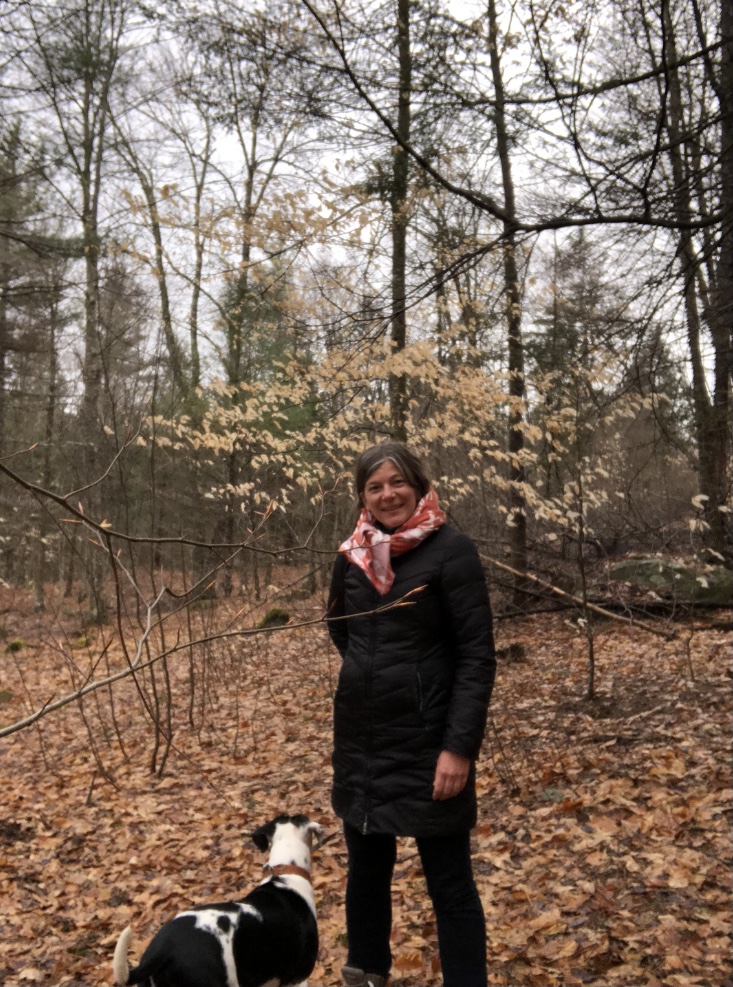
Sarah Bergmann works at the intersections of ecology, culture, environmental philosophy, and design. She was the designer and leader of the Pollinator Pathway, a civic project that brought together thousands of participants around a park designed to prioritize density within urban environments and sustain nature beyond city limits. She brings experience in the development of well-designed and researched civic projects, as well as in mobilizing communities around collective design for action.

Collaborative Earth
Aaron Hirsh is a scientist, writer, and entrepreneur with deep interests in environmental education and ecological regeneration. Aaron’s research has appeared in a variety of journals, including Nature, Science, and PNAS, while his writings have been published by The New York Times, The Wall Street Journal, The Best American series, and FSG. As an entrepreneur, Aaron has been involved in bio- and ed-tech. He was also a founder of The Vermilion Sea Institute and Board Chair for Ecology Project International. He holds a BA from Princeton and a PhD from Stanford.

Science Education, Codon Learning
Ben Roberts is science educator, publishing professional, and the CEO of Codon Learning. Codon Learning’s aim is to catalyze the widespread adoption of evidence-based teaching principles. Prior to founding Codon, Ben founded Roberts and Company, a STEM publisher, which was acquired by Macmillan Learning in 2016. He then served as VP of STEM for two years.
Collaborative Earth
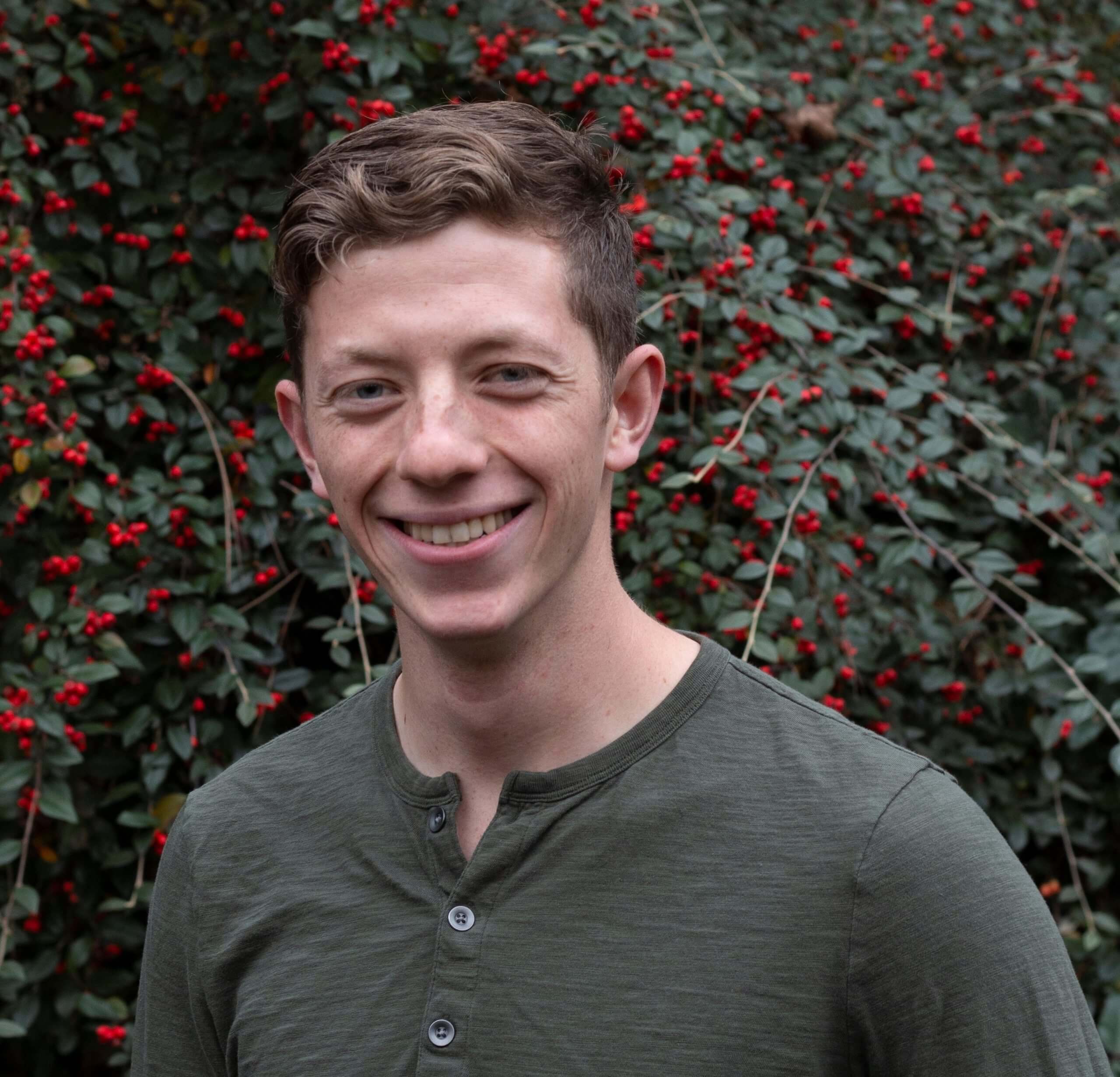
Brandon McWilliams is a science communications fellow for the USDA Forest Service Western Wildland Environmental Threat Assessment Center, and a program assistant at CE. They have a particular interest in the link between climate narratives, mental health, and behavior change, and have worked extensively in environmental education and habitat restoration.
Collaborative Earth
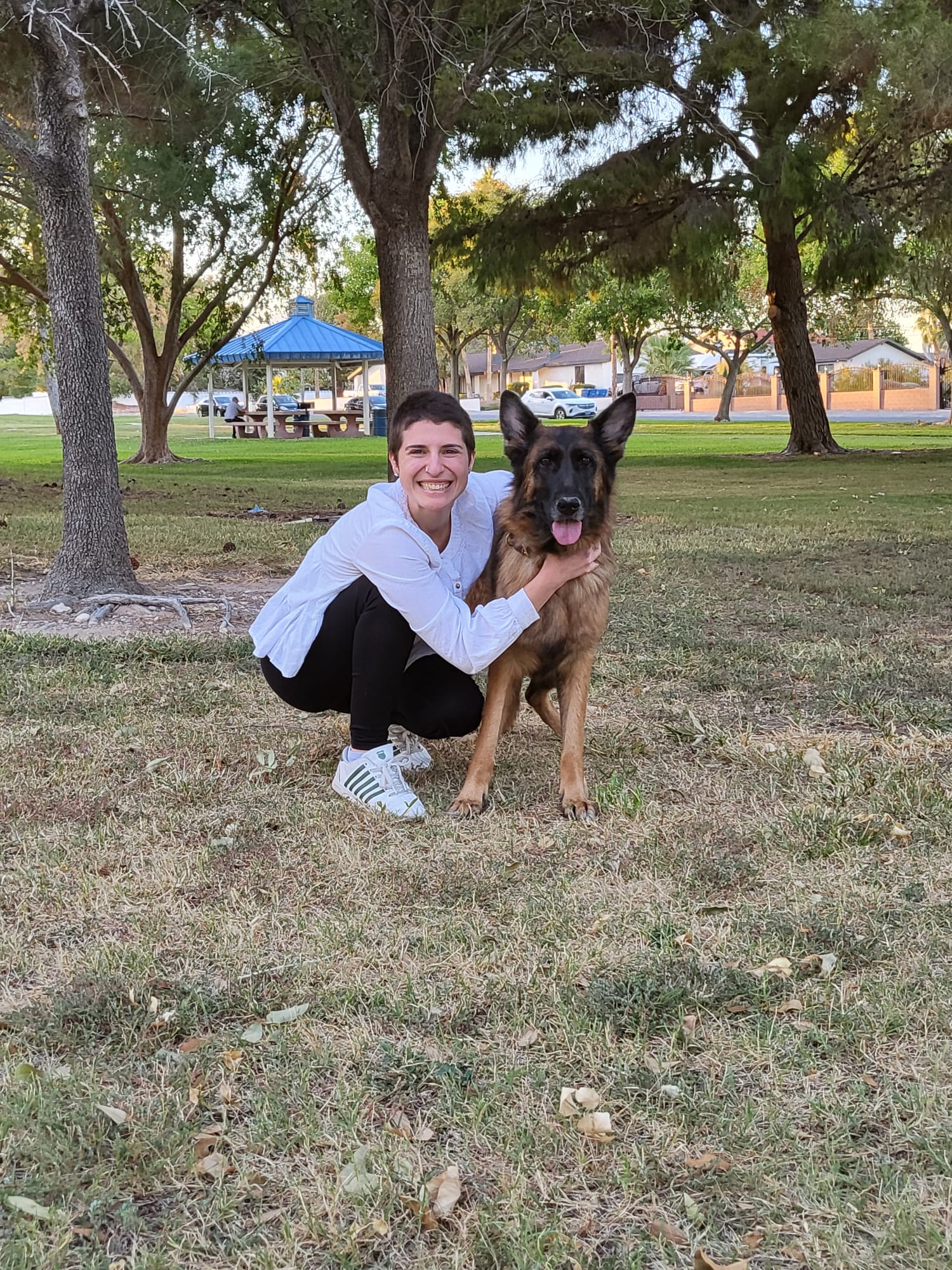
Chana Leonorovitz is an analyst and program management professional for CE, where they assist with business operations, financial management and compliance, and research. They have experience with relational databases, documentation, and data analysis. In addition, they have worked as an actuarial analyst, and bring a wide range of skills to bear in their work with CE's labs.
Wetland Ecology, University of Florida
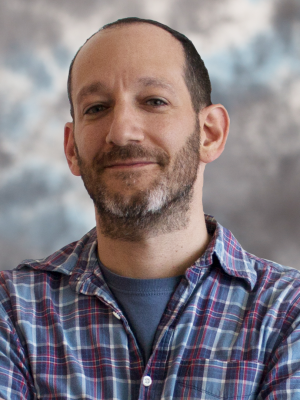
Dr. David Kaplan is an Associate Professor in Environmental Engineering Sciences and Director of the H.T. Odum Center for Wetlands Research at the University of Florida. His research focuses on linkages among the hydrological cycle, ecosystem processes, and human activities, with the goal of advancing natural resources conservation and management. He holds a PhD in Agricultural and Biological Engineering from the University of Florida.
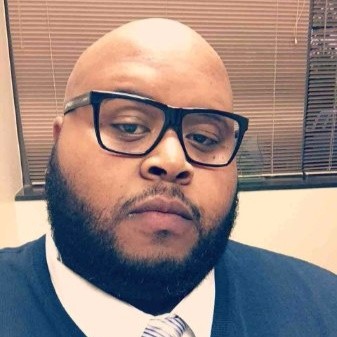
Urban Forestry and Natural Resources, Prairie View A&M University
Dr. Elliott Washington is an Assistant Program Lead with the Agriculture and Natural Resources program at Prairie View A&M University. He is an experienced GIS technician and researcher, and holds a Ph.D. in Urban Forestry and Natural Resources from Southern University and Agricultural and Mechanical College at Baton Rouge. Dr. Washington assists CE with technical and logistical guidance for the Prairie View reforestation project, and assists private land owners enrolled in our reforestation program.
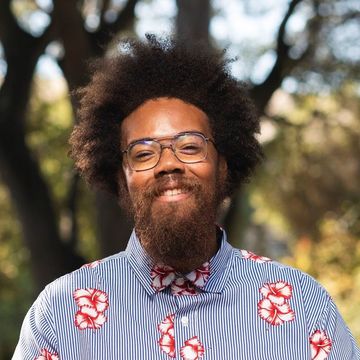
Coastal Ecosystem Science, Stanford University
Dr. Elliott White Jr. is an Assistant Professor in the Earth System Science Department at Stanford University. He is a coastal wetland scientist that uses an interdisciplinary (ecohydrology, remote sensing, and biogeochemistry) approach to understand how coastal vegetation is being affected by climate change.
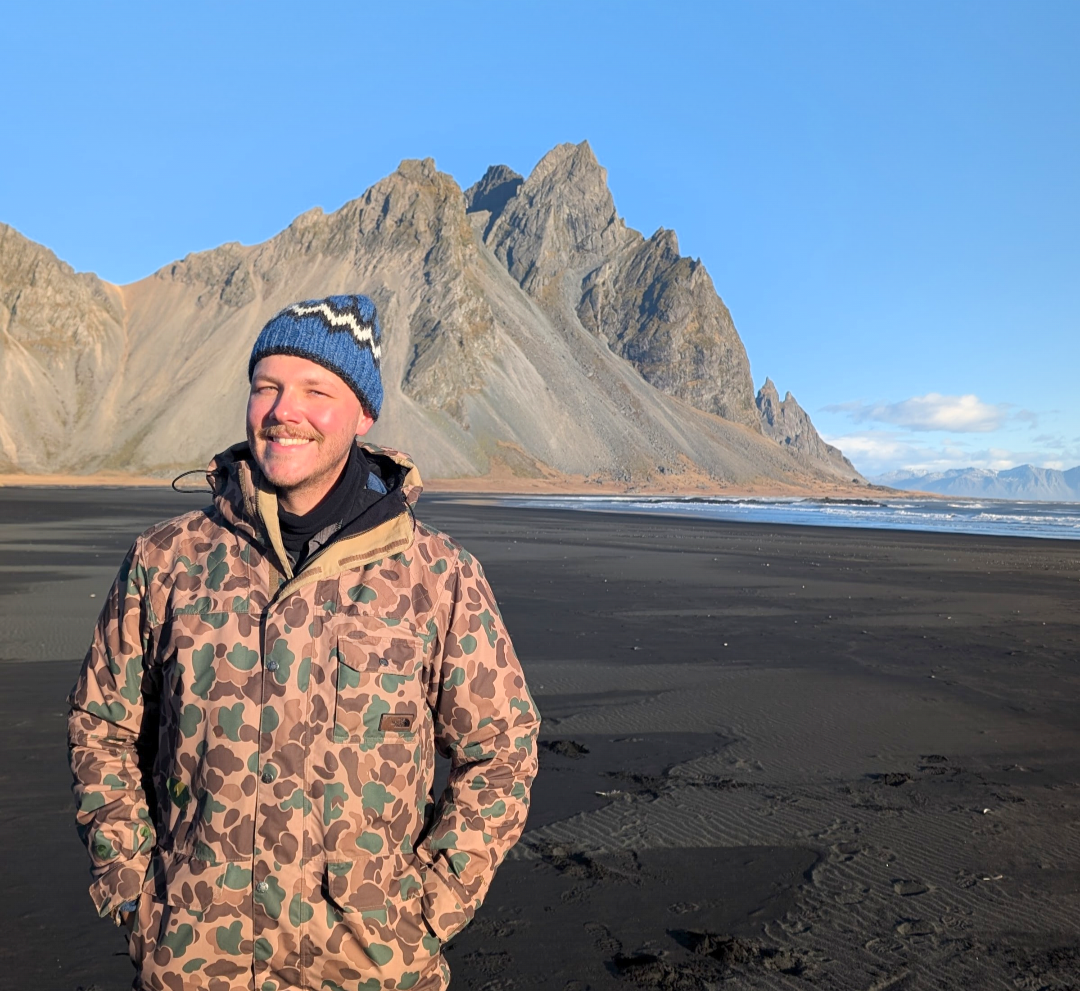
Collaborative Earth
As a Community and Landscape Coordinator at Collaborative Earth, Jake leverages his deep roots in land management to bridge the gap between long-term conservation and everyday stewardship. Drawing on advanced expertise from his Master’s studies in Rangeland Wildlife and Fisheries Management at Texas A&M, he pairs firsthand experience managing family lands with modern mapping and landscape planning to help landowners build healthier, more resilient landscapes.

Soil Biogeochemistry, Collaborative Earth
Dr. Julie Tierney is an ecologist with interests in biogeochemical cycling and its relationship to global change, ecosystem resilience, and food systems. She is currently a postdoc researcher with CE, where she leads applied research in partnership with the Cheyenne and Arapaho Tribes in Oklahoma for our Bison Lab to understand the ecological, carbon, and climate-related effects of bison grazing on tribal lands. She holds a PhD. in Ecology and Evolutionary Biology from Princeton University.
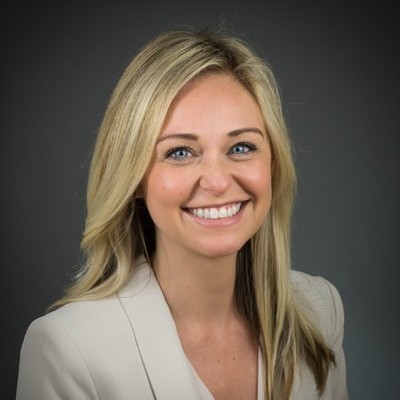
Coastal Ecosystem Science, North Carolina State University
Dr. Lindsey Smart is a landscape ecologist, professor at North Carolina State University, and a Coastal Scientist with the Nature Conservancy. Her research focuses on the integration of social science methods and ecological processes into models of land-use that are used to explore ecosystem services trade-offs under future scenarios of land-use and sea level rise adaptation strategies. Dr. Smart holds a PhD in Forestry and Environmental Resources from North Carolina State University.
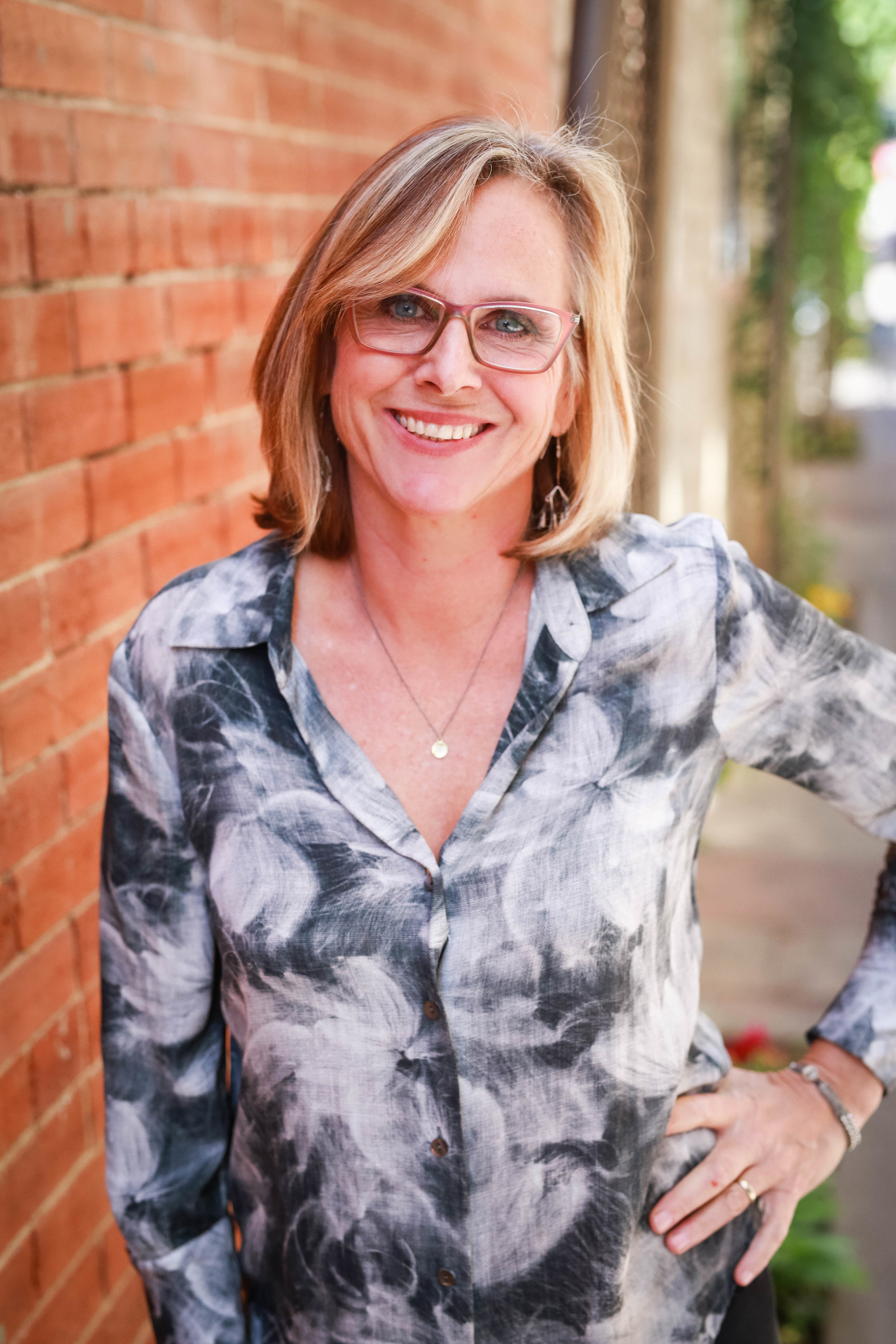
Business and Real Estate Law, Hutchinson, Black and Cook, LLC
Maureen Eldredge is a partner at Hutchison, Black and Cook, and has deep experience in creating sophisticated ownership structures, working across business needs, real estate law, and business immigration. She also holds an MA in Marine Affairs, and has worked in natural resource policy and regulation. She assists CE in creating the legal entities that allow landowners to participate collectively in markets for climate mitigation and other ecosystem services.
.jpeg)
Wetland Ecology, Stanford University
Dr. Melinda Martinez is a wetland ecologist specializing in ecosystem resilience, carbon cycling, and remote sensing. Her research spans a variety of wetland ecosystems, including salt marshes, forested wetlands, and mangroves along the Gulf of Mexico, the Florida Everglades, coastal North Carolina, and the Chesapeake Bay. Melinda has a PhD in Forestry and Environmental Resources (Minor in Remote Sensing) from North Carolina State University.
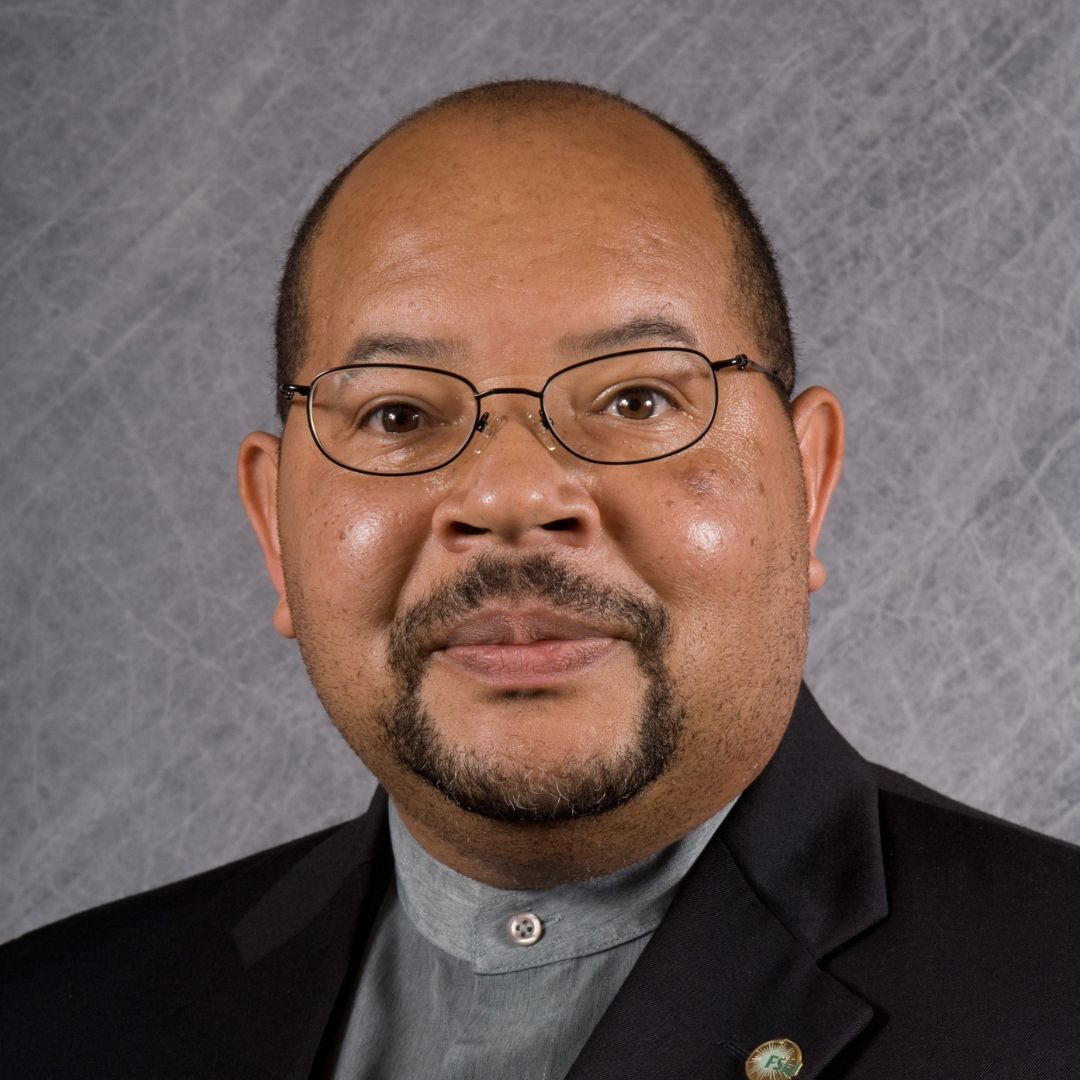
Soil Science, Prairie View A&M University
Dr. Richard Griffin is a Professor and Research Scientist of Agricultural and Environmental Sciences in the Cooperative Agricultural Research Center at the College of Agricultural, Food, & Natural Resources of Prairie View A&M University. He has over 25 years of teaching experience, with a research focus on wetland soils, soil chemistry, and land-use regulation and control. Dr. Griffin has a PhD. in Pedology and Soil Science from Texas A&M University.

Machine Learning and Remote Sensing
Sarthak Arora is a Machine Learning engineer and researcher, with a specific focus on problems in remote sensing and climate change. He has worked alongside multiple non-profits and universities for diverse challenges in sustainability such as power-plant emissions analysis, site prediction and suitability, wildfire risk assessment, river remediation efforts, disaster relief and aid optimization.
Collaborative Earth
Shelby Bessette is a community and landscape coordinator with Collaborative Earth, where she supports interdisciplinary partnerships that advance habitat restoration, ecological planning, and stewardship initiatives. Drawing on her background in biology and public administration, she works to connect science, policy, and local knowledge to foster resilient landscapes and communities.

Conservation Biology, Ecological Economics, University of Vermont
Dr. Taylor Ricketts is Gund Professor and Director of the Gund Institute for Environment at the University of Vermont as well as a Board Member of CE. Dr. Ricketts’ research is focused on the economic and health benefits provided to people by natural areas. He is a co-founder of the Natural Capital Project, which maps and values these natural benefits. He also led the World Wildlife Fund’s Conservation Science Program for nine years, and he holds a PhD in Biology from Stanford University.
Collaborative Earth
Vickie Belcher is a graduate of the Master's in Community and Regional Planning program at The University of Texas who focuses on water governance in urban contexts. She completed a Boren fellowship in Bengaluru, India studying community participation in the restoration of the city's historical network of lakes. Prior to her studies, she worked as a program manager in Google Trust & Safety and completed a Fulbright scholarship in Brazil.
.jpeg)
Collaborative Earth
Yiling Yin’s background blends environmental policy, advocacy, and on-the-ground climate action. With roots in environmental journalism amplifying community voices, she now focuses on finding meaningful expressions of climate solutions in the voluntary carbon market through the design and development of high-integrity carbon projects.
Collaborative Earth and Partners
CE was founded in 2022 and operates projects across the United States. Major program funders include the US Forest Service, Cisco, and 1% for the Planet. Partner organizations on Forested Waterways include Prairie View A&M University and Stanford University.